Why Wildlife Protection Matters

Understanding the impact of wildlife trafficking, habitat destruction, and weak enforcement on animals and ecosystems worldwide.

Behind every rescued animal lies a story of loss, exploitation, and survival — and a reason why our work is more important than ever.

Despite existing laws and international efforts to protect wildlife, animals and their natural habitats are becoming increasingly threatened and unsustainable. Climate change, deforestation, and illegal wildlife trafficking continue to cause immense harm. Having witnessed the suffering caused by these realities, we remain committed to protecting wildlife and driving meaningful change.
The Facts
At the 2018 Illegal Wildlife Trade Conference in London, data highlighted the devastating impact of wildlife trafficking:
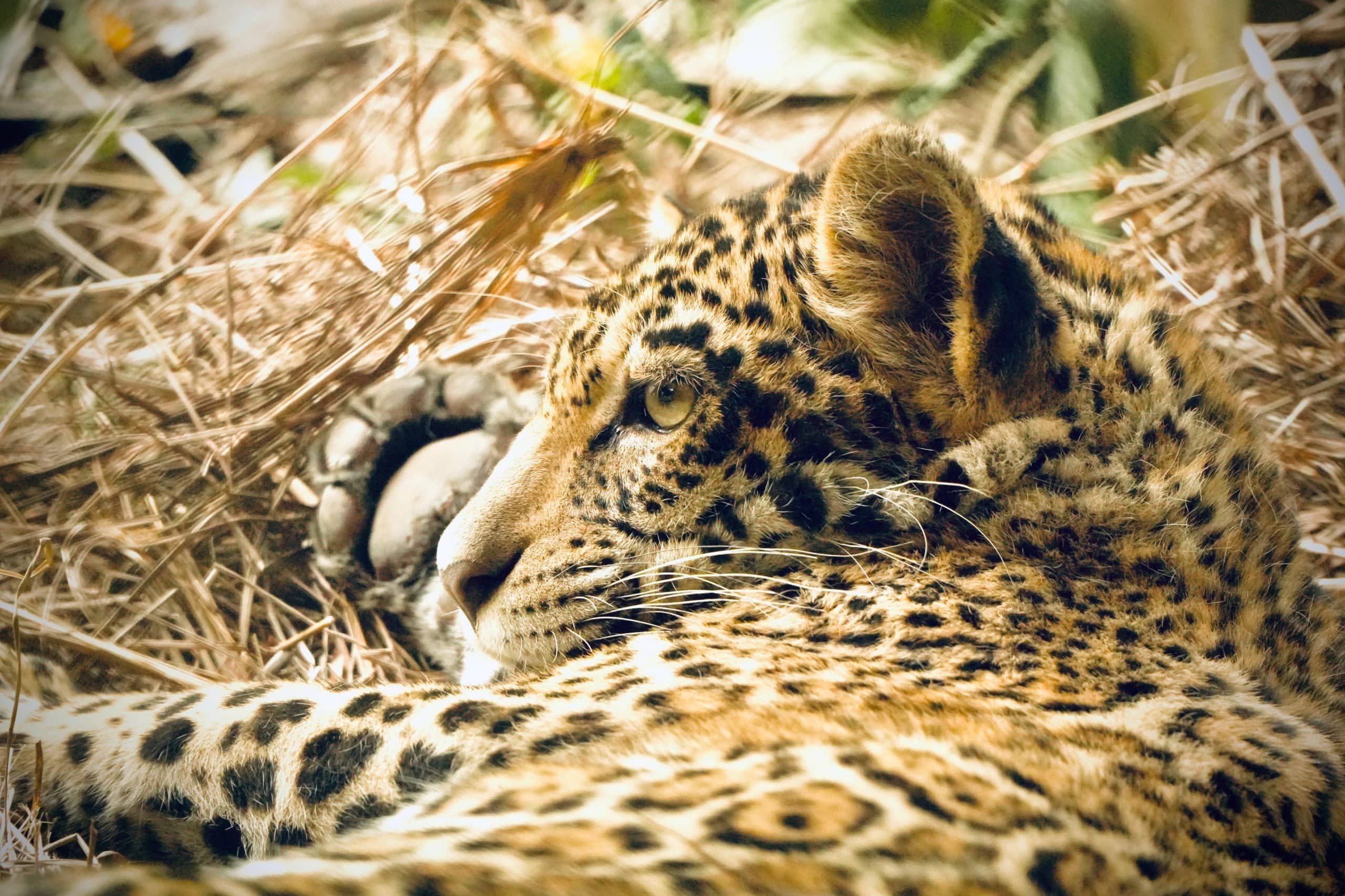
Increasing trade between South America and Asia, driven by demand for products such as jaguar teeth and claws
Only one in ten animals survives the trafficking process
Animals are subjected to extreme cruelty to avoid detection during transport to Europe and the United States
Trafficked animals often end up in zoos, private collections, laboratories, or are consumed as delicacies
While traffickers generate significant profits, they cause irreversible harm to wildlife and destabilize fragile ecosystems
Disastrous Consequences
Between 1970 and 2014, global wildlife populations declined by 60%, according to a 2018 report by the World Wildlife Fund. During the same period, the human population nearly doubled. Alongside habitat destruction, illegal wildlife trade remains one of the leading causes of this decline.

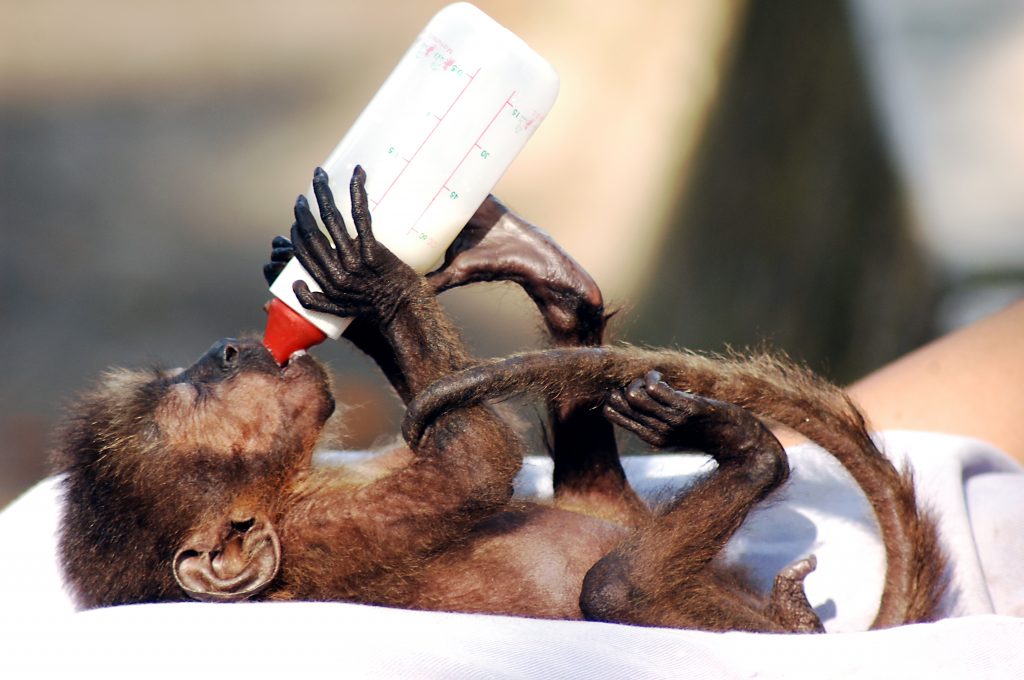
Paradoxically, species on the brink of extinction often become more valuable on the black market. Many animals taken from their natural habitats are later abandoned when they are no longer wanted. Without proper environments or rehabilitation, many do not survive due to starvation or an inability to adapt.

Even those that do survive can negatively impact ecosystems. They may reproduce uncontrollably, disrupt ecological balance, displace native species, or introduce diseases that can spread among wildlife and even affect humans.
Animal Suffering
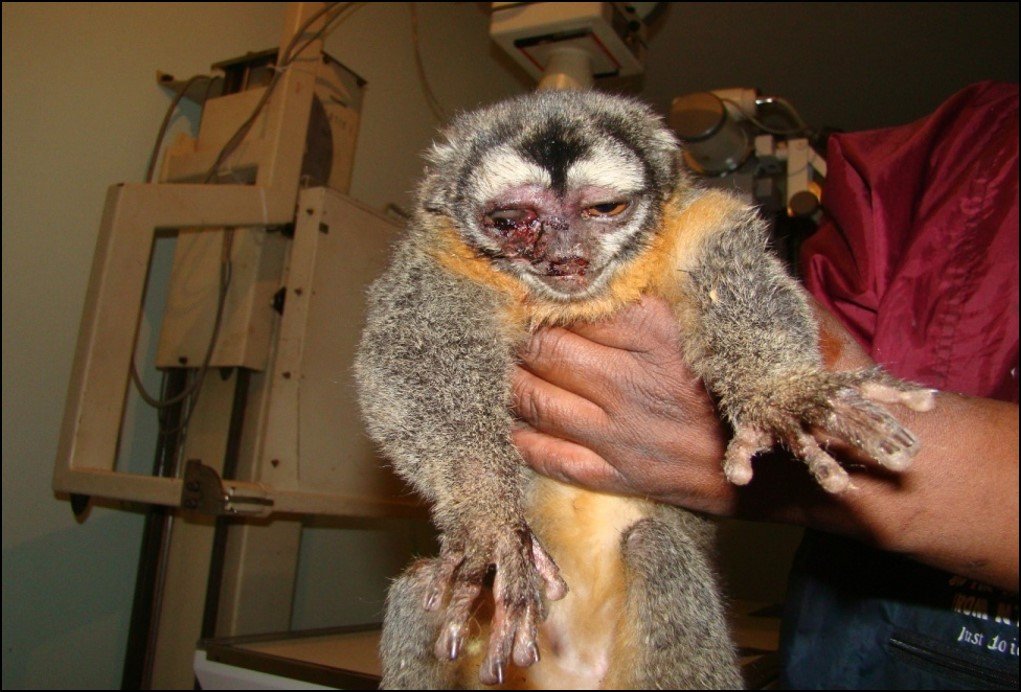
The mortality rate of trafficked animals can reach up to 90% due to the extreme conditions they endure. During transport, animals often pass through multiple intermediaries, each using different methods to avoid detection.

Common forms of inhumane treatment include:
Animals being drugged to remain undetected during transport
Confinement in overcrowded cages, causing severe stress and disease exposure
Turtles taped inside their shells to prevent movement
Parrots having their beaks and feet tied, and sometimes their wings broken to stop them from flying
Birds transported inside plastic bottles
Even those that survive long enough to be sold often face poor living conditions. Many species require social interaction but are kept in isolation, and the removal from their natural habitat can lead to severe psychological disorders.
Lax Regulation
In 1992, the same year CIWY was founded, Bolivia passed Environmental Law 1333, making wildlife trafficking illegal. Despite this, illegal trade remains widespread, and live animals and wildlife products can still be found in open-air markets across the country.

Environmental Law 1333 (Article 111) states that capturing, transporting, or commercializing wildlife without authorization is a criminal offense, punishable by fines, confiscation of the animals, and imprisonment of up to two years.

However, one of the main challenges is the lack of enforcement. The law is not fully integrated into Bolivia’s criminal code, and violations are rarely sanctioned. As a result, wildlife trafficking continues with limited consequences, and authorities often lack the resources and prioritization needed to address the issue effectively.

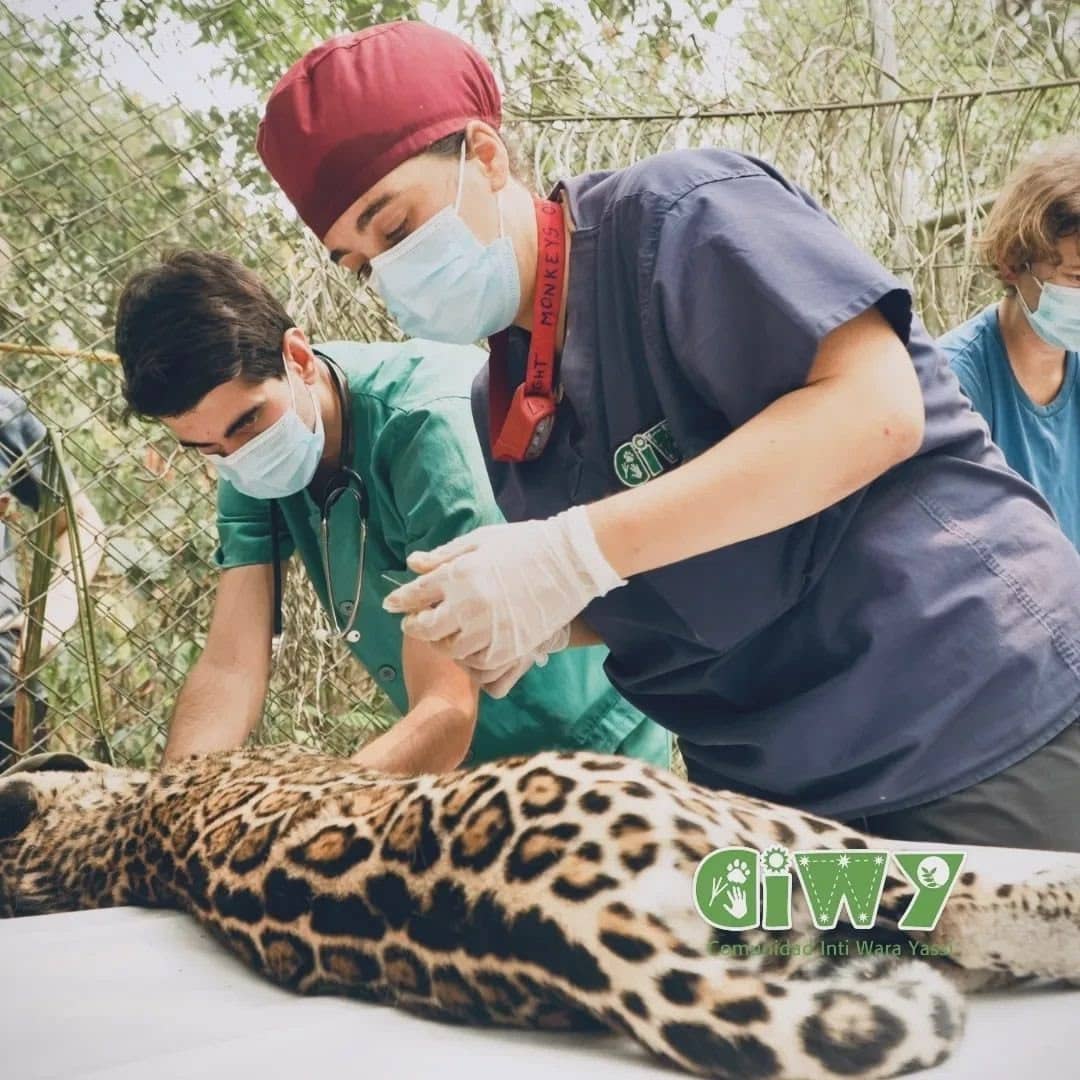
This gap has serious consequences. Poaching and illegal trade persist, including for species at risk of extinction, while no sufficient government infrastructure exists to care for confiscated animals. CIWY helps fill this critical gap by rescuing, rehabilitating, and protecting wildlife both within Bolivia and beyond.

Subscribe To Our Newsletter

When the last tree is cut, the last fish is caught, and the last river is polluted; when to breathe the air is sickening, you will realise, too late, that wealth is not in bank accounts and that you can’t eat money.– Native American Saying

Discover the Story Behind CIWY and Its Conservation Mission