Volunteering at Parque Ambue Ari

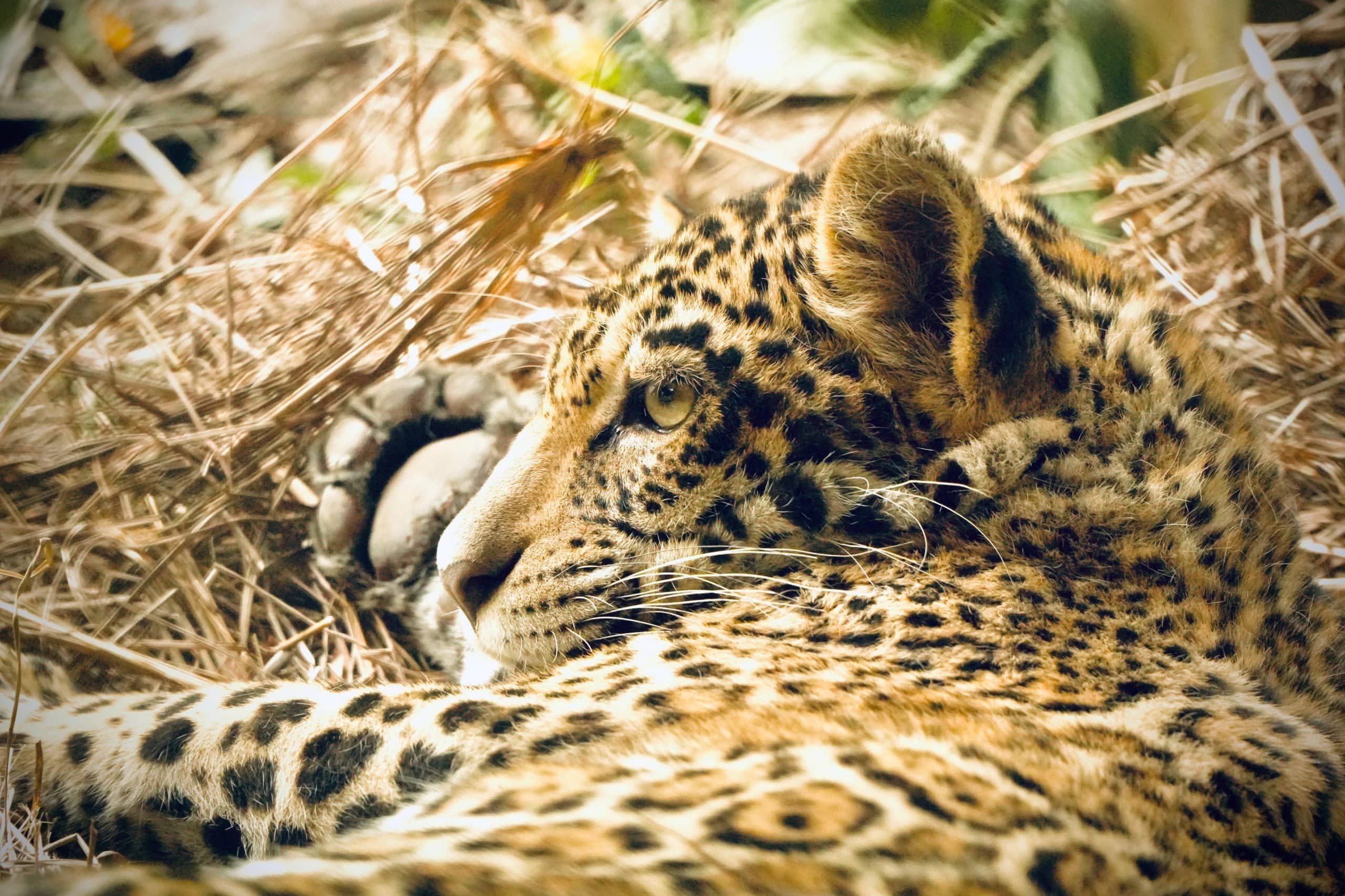
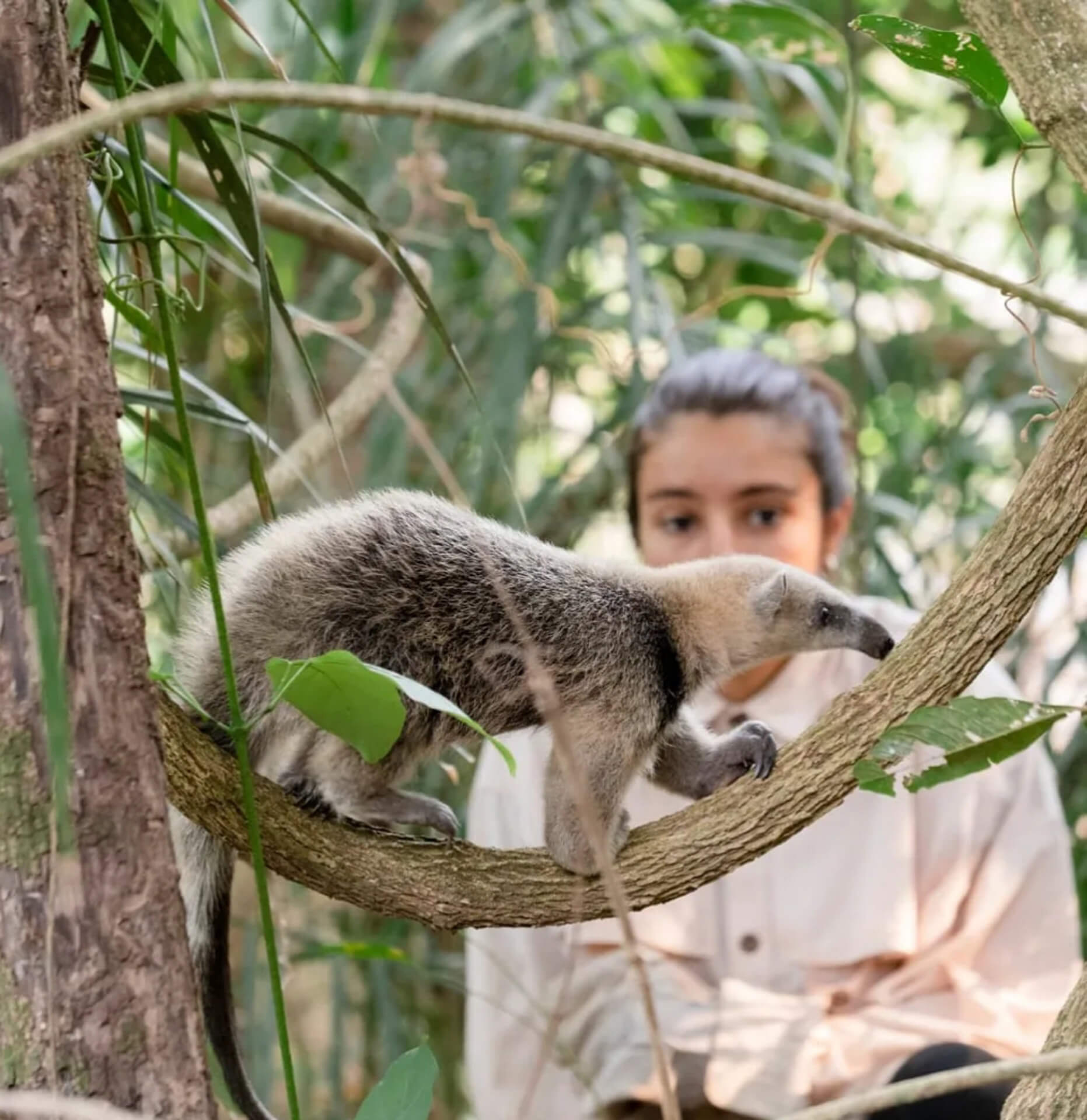
Ambue Ari consists of 1,000 hectares of Flooded Amazonian Forest, home not only to the incredible animals rescued and cared for by the staff and volunteers here, but to countless wild species who have also found sanctuary in the serenity and wilderness of the park. Here you will wake to the alarm of the howler monkeys each morning, and have your nights illuminated by fireflies, and serenaded by frogs.
An unforgettable experience — working closely with incredible animals while making a real difference every single day.

A Strong Community, Meaningful Work, and a Truly Rewarding Experience.

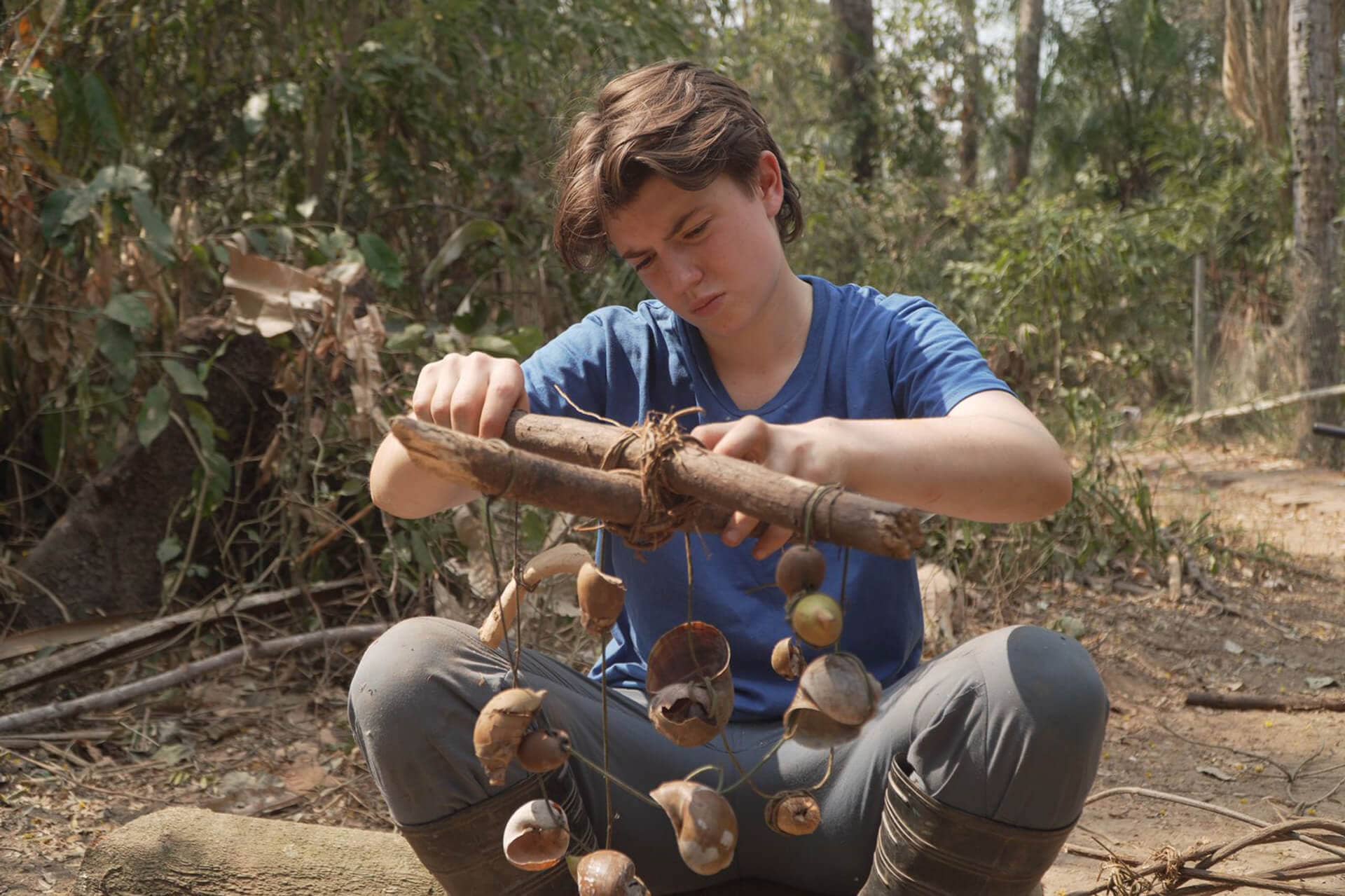
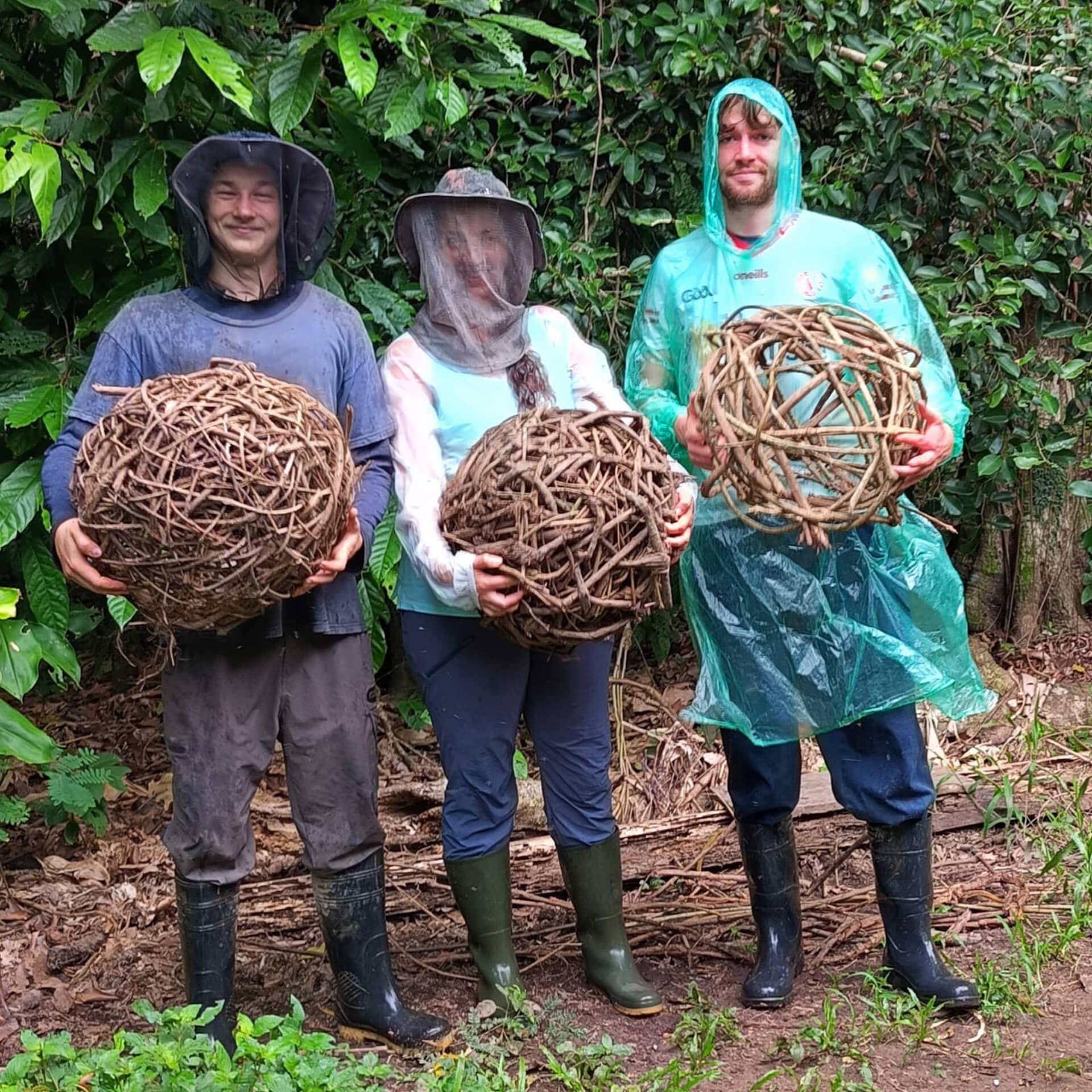
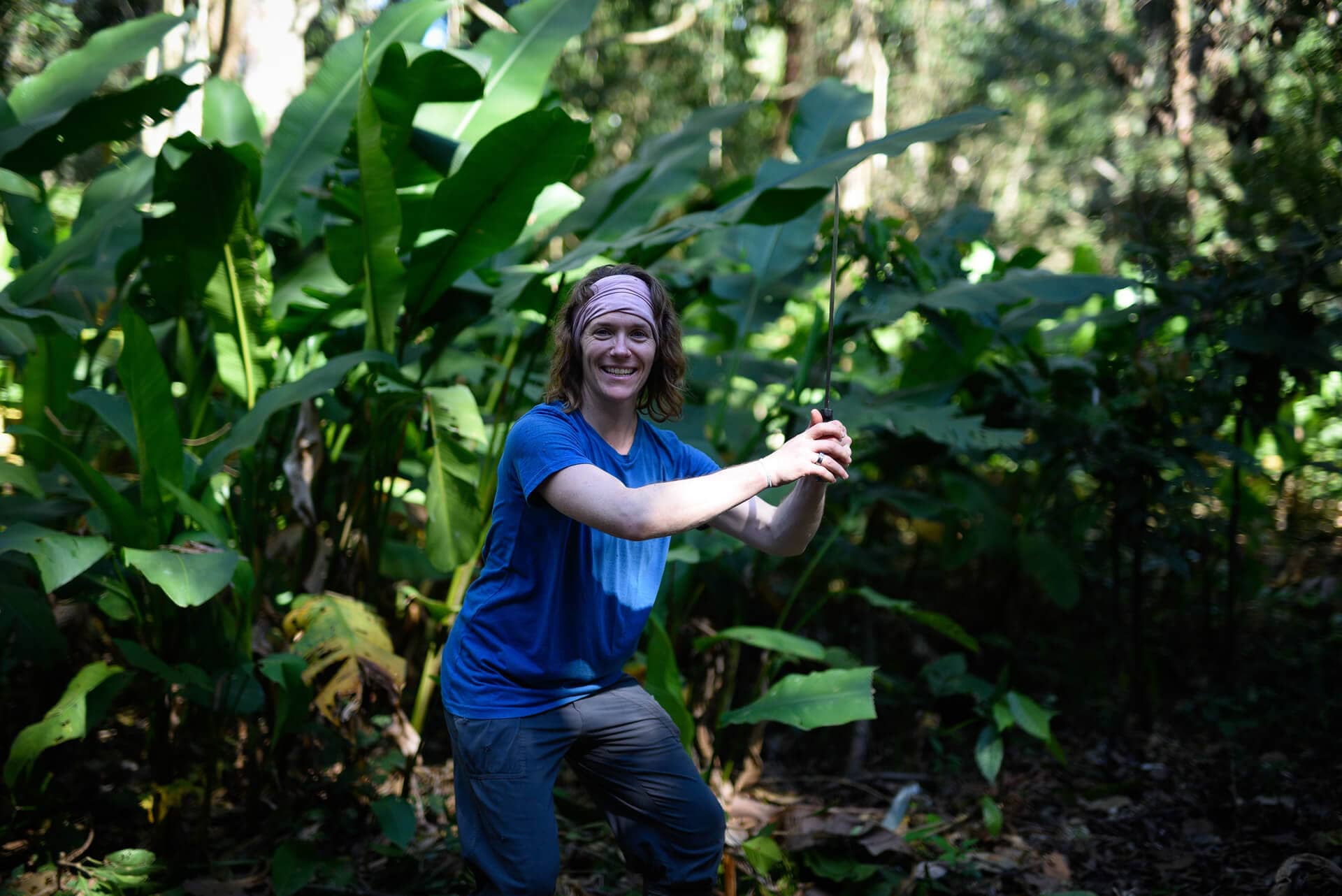
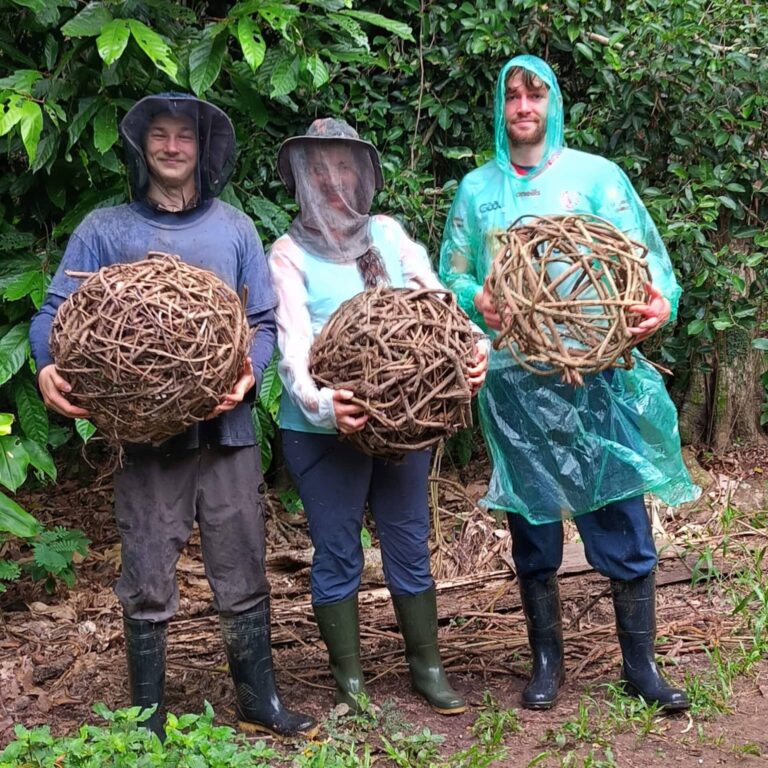
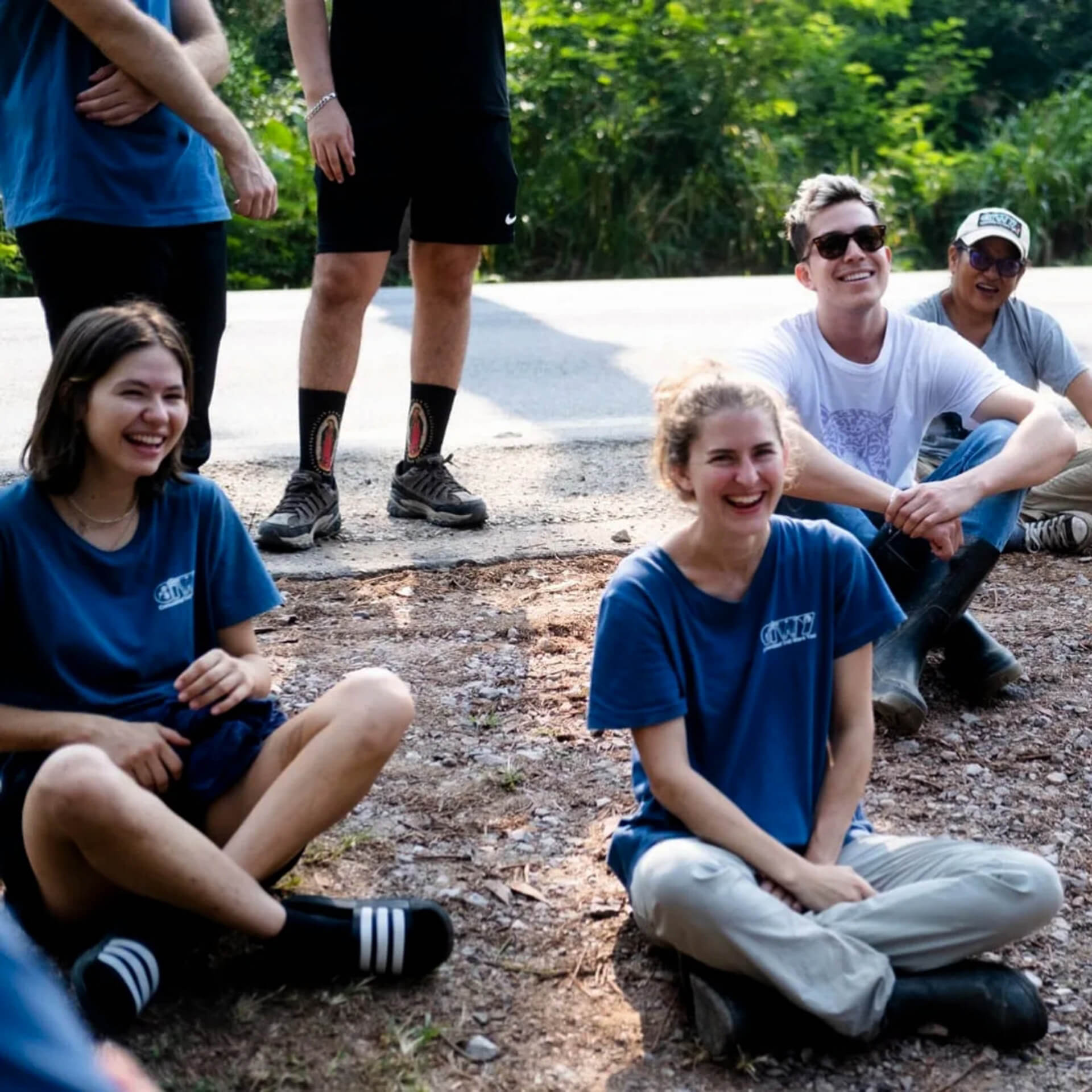
The sense of community is very strong at Ambue Ari. Each day, volunteers head out into the jungle to provide the all important care, attention, cleaning, feeding and enrichment to the animals under their care, both the most physically demanding and rewarding aspect of life in Ambue Ari. The work doesn’t come without its challenges, be that swamps, mosquitoes or heat, but the chance to make such a difference to the lives of rescued and rehabilitated animals is undoubtedly worth it. Having worked long days in the heat, humidity and mosquitoes of the jungle, we relax together each evening in the park, in the local villages, or in our ‘cafe,’ where we spend Friday nights! Volunteers come for the unique opportunity to work with our animals, but they stay for the caring and diverse family that they make here.

Volunteer Activities.

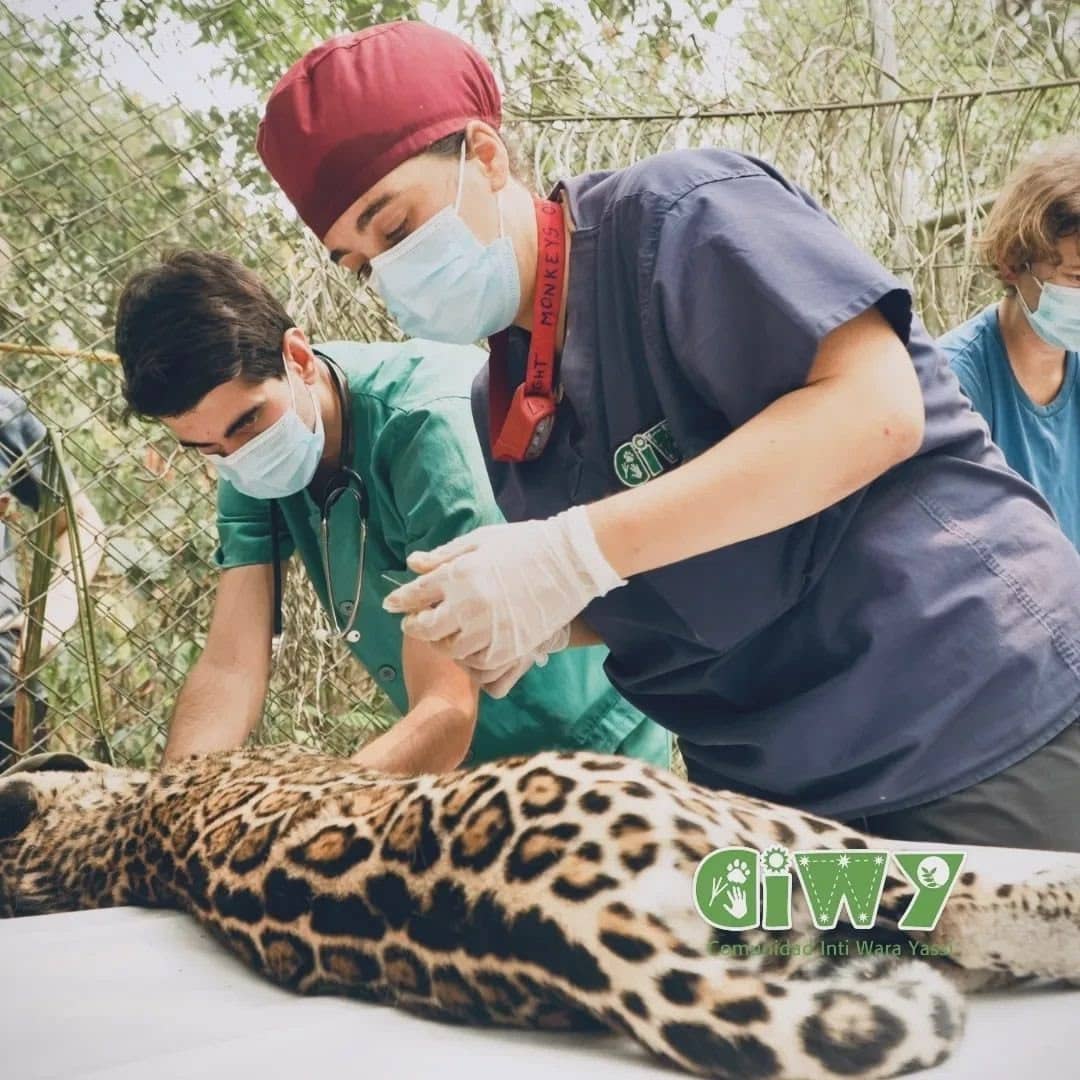
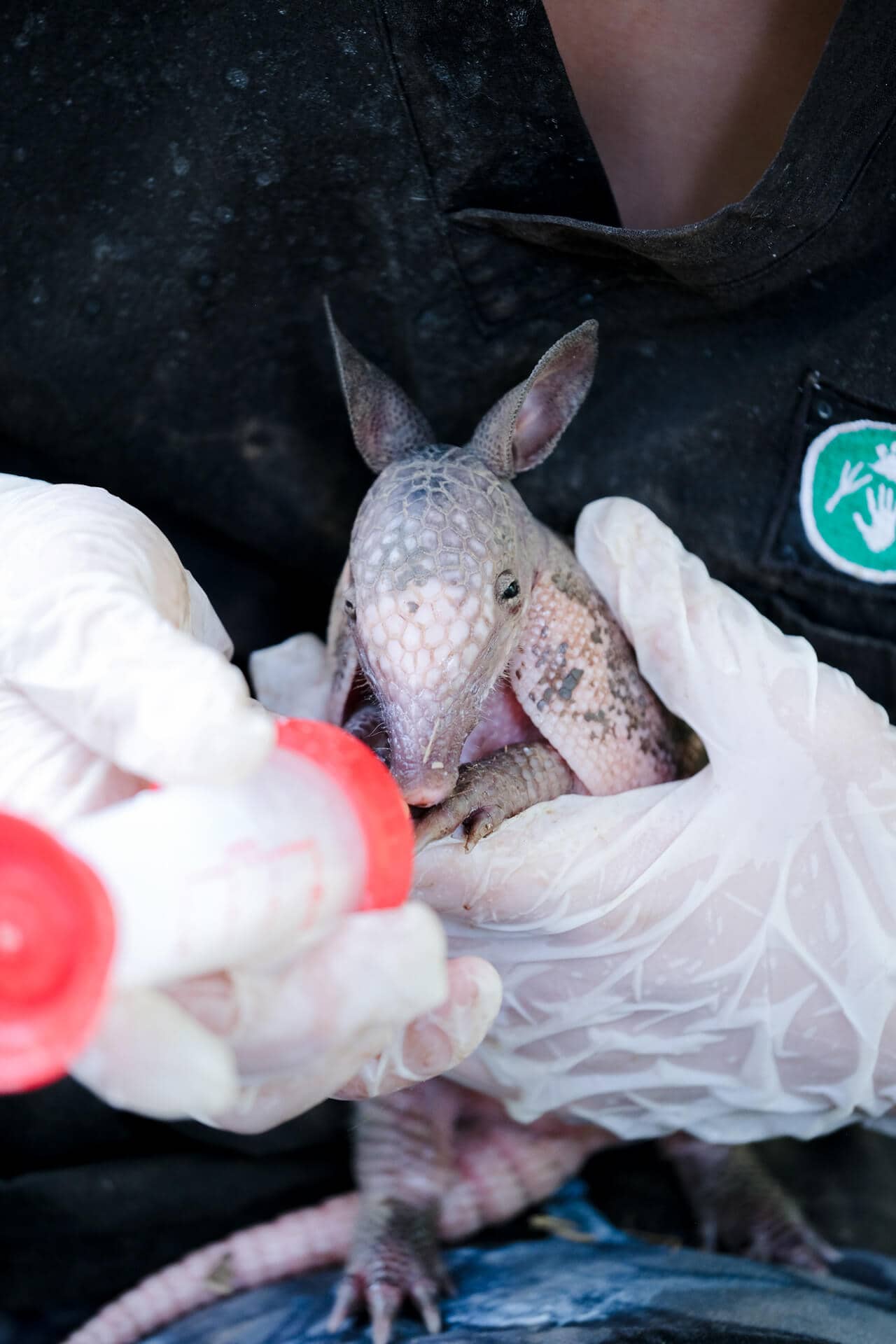
The team at Ambue Ari cares for a wide variety of wild animals, from small to large feline species, to birds, coatis, peccaries, monkeys, and more.
 
We work 6 days per week and rest one day, when we take the opportunity to go to the laguna in Guarayos, do some grocery shopping or just regain energy at camp. Volunteers are generally assigned to work in two areas during their stay (one in the mornings, one in the afternoons), based on the needs of the sanctuary at any given time. For this reason, we cannot guarantee work with a particular species, but please take into account the minimum stay for each type of animal, to ensure their well-being and stability, and that you can get the most out of your time with us!
7:00 – 8:00Feeding of smaller animals and general maintenance of the camp
8:00 – 9:00Breakfast
9:00 – 12:30Work with one animal/group of animals
12:30 – 14:00Lunch
14:00 – 17:30Work with another animal/group of animals
18:30Dinner
AnimalsMinimum time commitment
Birds, coatis, pecaties, others15 nights
Night monkeys30 nights
Pumas, ocelots, Geoffroy’s cats, crab-eating fox30 nights
Howler mokeys6 months

Costs, Conditions & What to Expect

As a Non-Governmental Organisation, CIWY relies entirely on volunteer payments, donations and grants to continue its vital work in rescueing, rehabilitating and educating about Bolivian wildlife. For this reason, are for the well-being of the animals themselves, Park Ambue Ari is not open to visitors, but instead only to volunteers who come to contribute their time and energy to the project, hence allowing us to provide the best possible care, whilst also financially sustaining our operations.
The fee paid by volunteers allows us to offer this opportunity in a manner that truly benefits the wildlife we care for, and to provide the best possible training, experience and expertise to you, the volunteer. The conditions in camp are basic: we have cold showers, shared rooms and limited electricity, and provide volunteers with three meals a day (except for one night a week, where we organise a night at a local restaurant).
NightsCostSecurity DepositCafé/Candy shopCost per additional night
15 nights$430 USD$50 USD$100 USD$25 USD / night
30 nights$650 USD$50 USD$100 USD$25 USD / night
Additionally, on arrival we request in cash:
Security Deposit: 300 Bs/50 USD  – Fully refundable at the end of your stay if no damage or loss occurs.
Candy Shop Advance: 300 Bs/50 USD – Covers optional items such as snacks, drinks, second hand clothes and restaurant night. Any unused amount is refunded on your departure.
How to pay:
Volunteer packets are requested in full on arrival, in US dollars if possible. If you prefer to pay in Bolivianos, please consider that the exchange rate can fluctuate. There are ATMs in Guarayos, the local town, but we recommend to bring all the cash needed for your entire stay.
We now also accept electronic payments through third party sites such as MoneyGram or Remitly – please specify if this is how you prefer to pay, and it will be organised on arrival to the park.
Additional Costs to consider
Transportation from Santa Cruz to the Sanctuary 80 – 100 Bs.
Work clothing – 20-30 Bss per item
Rainboots in Guarayos – 150 Bs per pair (we have plenty in the sanctuary to borrow, but they may be old/have holes)
Transport: to Santa Maria 5-7 Bs, to Guarayos 20 Bs.4Meals in town (for example on your day off) – 20-40 Bs.
Extra groceries/snacks in town – 20-50 Bs
Special breakfast in camp –  2 – 5 Bs (eggs, French toast, sandwiches)
Fresh fruit (in guarayos) – 10-20 Bs
Mobile data plans – eg. 6GB = 50 Bs for one month and it includes unlimited WhatsApp
Other/personal items – 20-50 Bs
Please be aware that these prices are estimates, and may vary significantly depending on your personal needs, and inflation within Bolivia. These costs give an idea of what you may require beyond the Volunteer package – we also recommend that you come with some additional cash, for any unexpected extra costs such as medical attention, etc.
Accommodation
We provide volunteers with a bed, sheets, pillow, blanket and mosquito net in a shared dormitory. Showers are unheated, and the toilets are dry and ecological.
Facilities
Electricity is available in certain areas of the camp to charge personal devices (although not the dormitories). There is a refrigerator for volunteer use, and we also have a washing machine available at an extra charge. Filtered drinking water is provided from a well.
Meals
All meals are vegetarian or vegan, with the option of an animal protein once a week. Breakfast consists of 2 bread rolls, coffee, tea, butter and sugar, and at a small extra charge volunteers can order eggs/toasted sandwiches/French toast depending on the week day. We are able to accommodate to most food intolerances/allergies, but also recommend bringing alternatives with you (eg. gluten free pasta) as these are not available locally.

What To Bring

Essential Items
Clothes that you don’t mind throwing away (we do have plenty available that you can buy here – please note that volunteers are generally assigned to two work areas, and will need an entirely different set of clothes for each area).
Quick dry clothing (although please be aware that this is generally not thick enough to protect against mosquitoes)
More underwear than you think you need, and long socks
Headtorch
Pocket knife
A small backpack for daily work
First aid kit
For women: tampons (can be hard to find in the local town)
ENTEL sim card
Wet Season (November – May)
Insect Repellent (only for use outside of work hours)
Waterproof bags/boxes for storing electronic devices
Waterproof phone case
Mosquito hat (we also have them available here)
Waterproof coat and trousers
Clothes for the mosquitos: two layers, thicker clothing, light colours (also available to hire here)
Talcum powder for your feet
Dry Season (June – September)
Some warmer clothes eg. Fleece, hoodie, as it can get colder
A Sleeping bag (although we do also have plenty)

Frequently Asked Questions

The mosquitoes, the swamps, the humidity – this is not an easy time of year to be at Ambue Ari, but in many ways it is the most rewarding. However, we advise that you come prepared for the conditions to be physically challenging, to be prepared to wear wet clothes day after day as it is hard to dry them, to battle constantly with the mosquitoes and wear multiple layers of clothing, mosquito hats and gloves to protect yourself, all while sweating in the heat and humidity. However, the jungle is at its most vibrant and lush, there are birds, monkeys, fruits and flowers everywhere and the animals need your care and attention just as much, if not more, during the rains.
There are plenty of ATMs in Guarayos, a small town that is around 45 minutes away from the Park, by “rapidito” or hitchhiking. Although they are not always available, you should be able to withdraw cash here. However, we advise that you come with sufficient cash to cover your entire stay.
Within the park we have the ‘Candy shop’ – a small shop that sells toiletries, snacks, soft drinks, mosquito spirals, washing detergent, rain ponchos and more, all useful items to survive your stay here! You can find similar items in Santa Maria, the local village a 10 minute bus ride away, and many more options in Guarayos, including fresh fruit and vegetables.

Directions To Ambue Arie

Parque Ambue Ari is located on the road that connects Santa Cruz and Trinidad. It is 348 km from Santa Cruz and 202 km from Trinidad. At the entrance you can see a small cabin and some signs. Most volunteers arrive to us from Santa Cruz, and some from Trinidad, both of which are very simple, and explained below:
Go to the ‘Terminal Bimodal’. There, go to the provincial departures platform called “la terminal provincial”, by passing through the tunnel under the railroad track. If you take a taxi to the bus terminal, ask the driver to drop you off directly at the provincial terminal. From here you have two options:
 
By bus: Trans Guarayos Line 102 has daily departures at 9:00 a.m., 2:00 p.m. and 5:00 p.m. towards San Pablo, a town that is 2-3 hours past the sanctuary. Tell the ticket seller and the bus driver that you are going to Parque Ambue Ari. The trip costs about 50-60 Bs. and takes 7 hours. We recommend that you take the 9:00 bus, in order to arrive during the day.
 
Confirm that the bus you are taking is going to San Pablo. The same company offers services to Ascensión de Guarayos, a town roughly 45 minutes before Parque Ambue Ari. These buses drop you off at the terminal on the outskirts of town. If you arrive at Ascensión de Guarayos, take a motorcycle taxi to the ‘estacion de trufies’ and follow the instructions below.
 
The 2:00 p.m. bus will drop you off at the sanctuary after dark, so we recommend that you have a flashlight ready. Please try to arrive during the day, and therefore we recommend that you do not take any bus that leaves later than 2pm.
 
By rapidito: Minivans known as “rapiditos” or “trufies” will take you to Ascension de Guarayos, from the Terminal Bimodal in Guarayos. They leave whenever they are full of passengers. Tell the driver that you are going to Parque Ambue Ari. On rare occasions some minivans go to San Pablo and may drop you off at the entrance of the sanctuary. However, most only go as far as Ascensión de Guarayos. They cost 50-60 Bs. and take 4 to 5 hours. In Ascensión de Guarayos take another rapidito (next to the market) to San Pablo. Ask to be dropped off at Parque Ambue Ari. The trip from Ascensión de Guarayos to the sanctuary costs around 20 Bs. in a rapidito and takes 45 minutes to an hour. The rapiditos go when they are full of passengers.
Take a motorcycle taxi to “la parada para San Pablo.” From there, take a minivan (known as a “rapidito” or “trufie”) to San Pablo. The trip costs between 15 and 25 Bs. and takes from 2 to 3 hours. Rapiditos leave whenever they are full.
 
From San Pablo, take another rapidito towards Ascensión de Guarayos, but ask to be dropped off at Parque Ambue Ari. This part of the journey costs between 10 and 15 Bs. and takes from 2 to 3 hours. We recommend leaving Trinidad in the morning to ensure you arrive during the day.
At the entrance of the sanctuary there is a path that leads to the camp. Follow the path and ask anyone you see for the administrator/director or a member of staff. There is almost always someone in camp during the day, but if not, you can leave your things in the comedor and wait there for someone to arrive. Depending on the time of arrival, you will be shown your room, and then be given a tour of the camp, followed by an introduction to Ambue Ari and the work.
 
Please try to avoid arriving after dark, and on Saturdays, as this is the day off of most volunteers and members of staff and there may not be anyone around to receive you. We will also be in touch before your arrival to help with questions, doubts, and to help organising and planning your arrival.